Global Konjac Forum (GKF)  ·  International Workshop on Konjac 2026 · Sanya  ·  Held under the GLAST-8 Framework Participation →
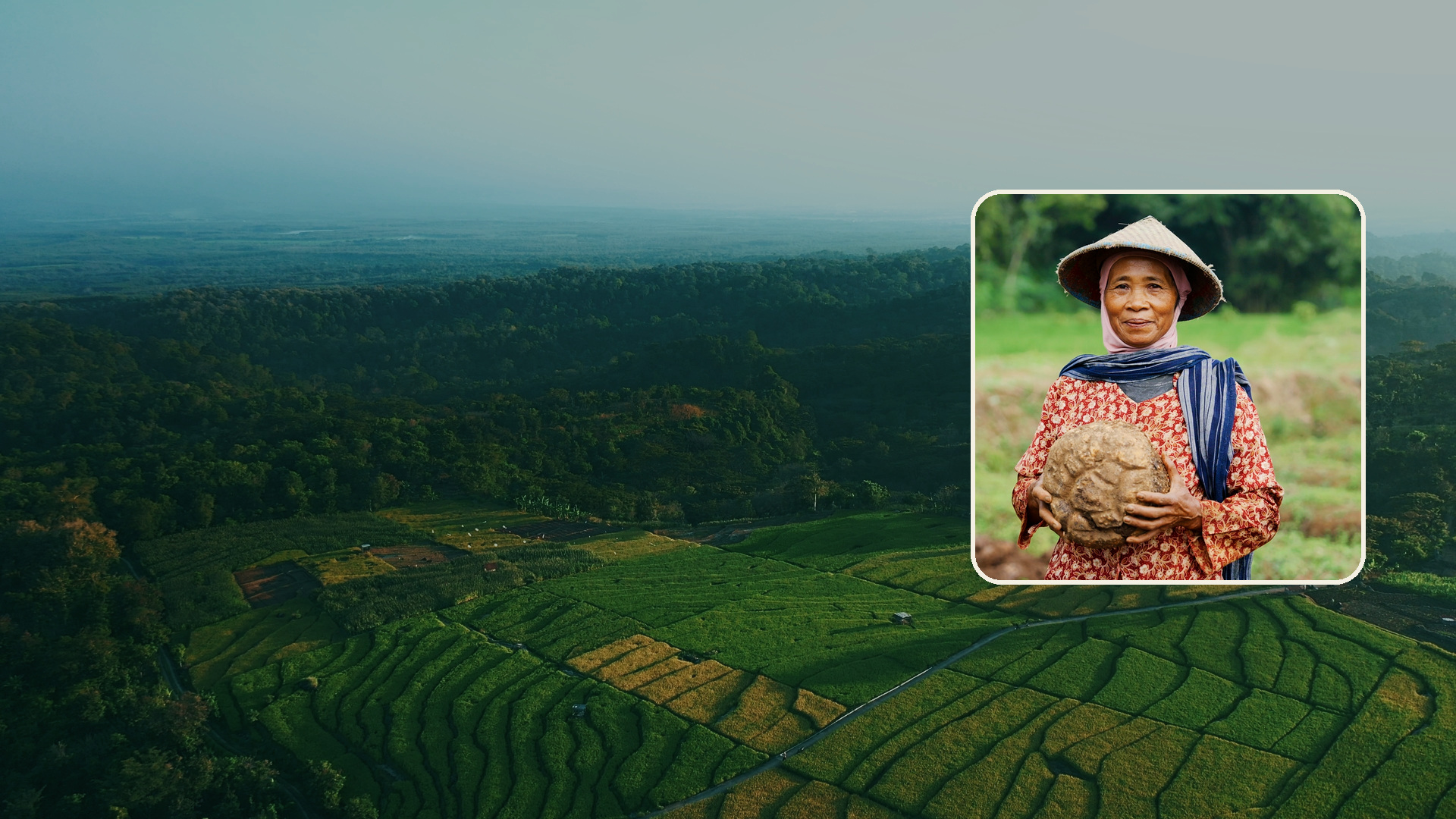
Konjac growing region mountain landscape
November 2026 · Sanya, China

International Workshop
on Konjac 2026 · Sanya

Initiated by Global Konjac Forum (GKF) and held under the GLAST-8 Framework as a public knowledge and collaboration platform for the global konjac industry.

01Industry Blue Book
02Green Konjac Index
03Sesame-Flavour Industry Report
04Public Brand White Paper
4 Planned Outcomes
30+ Producing and consuming countries
100+ Projected Participants
2026.11 International Workshop on Konjac · Sanya
Core Outcomes

Global Konjac Industry Public Governance Outcomes

View Participation Pathways
OUTCOME 01

Global Konjac Industry Development Blue Book 2026

A joint publication by the Institute of Quality Standards and Testing Technology for Agro-Products, CAAS, China Agriculture Press and the China Konjac Association. The Blue Book establishes a shared fact base, development coordinates and policy agenda for the sector.

  • Maps major producing regions, consumer markets, trade flows and raw-material types
  • Reviews seed resources, cultivation and disease risks including root rot, soft rot and seed-corm health
  • Addresses raw-material quality and grading through glucomannan, viscosity, particle size, colour, impurities and moisture
  • Covers processing safety, product innovation, nutrition evidence, standards, regulation and public governance
Blue Book 2026
OUTCOME 02

Green Konjac Index (GKI)

Full title: Green Konjac Index (GKI) — A Full-Chain Assessment Framework for Konjac Quality, Safety and Sustainability. It is not only a risk index; it also expresses quality, green production and sustainability.

  • One overall index plus five sub-indexes: planting health, input risk, raw-material quality, processing safety and product value
  • Assesses countries, regions, konjac species and processing technologies through a comparable framework
  • Reviews pesticide residues, root rot, soft rot, endogenous hazards, external input risks and soil health
  • Evaluates alkali control, sulphur fumigation and sulphite residues, additive compliance, allergens and microbial risks
GKI Methodology 1.0
OUTCOME 03

Industry Research Report on Sesame-Flavour Konjac Products

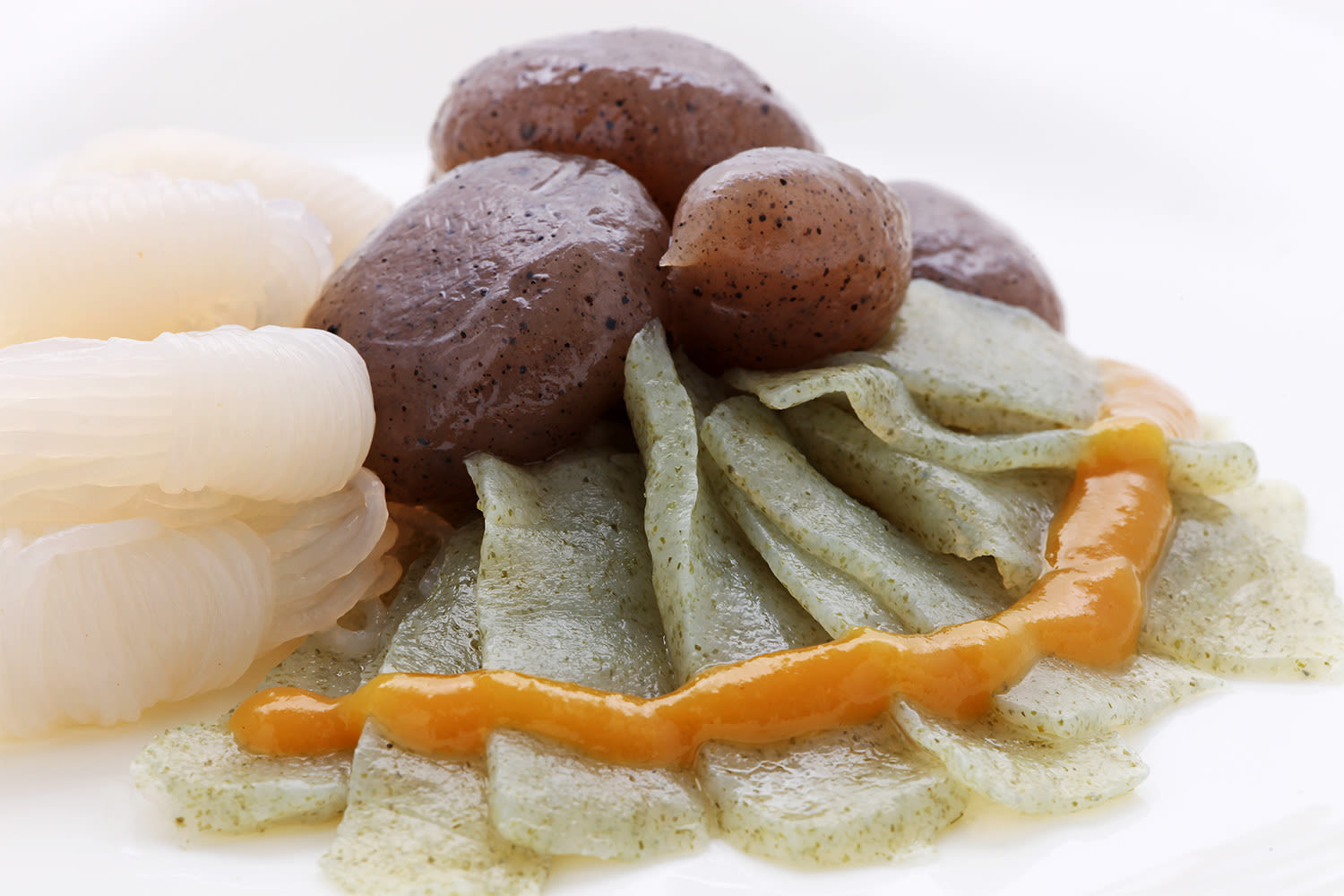
The report examines product formats, consumption contexts, ingredient requirements, processing methods and quality evaluation for sesame-flavour konjac products, providing a reference for product development, quality improvement and industry collaboration.

  • Covers ready-to-eat, chilled, ambient and seasoned konjac products
  • Defines sesame aroma, savoury-sweet balance, colour, sauce adhesion, elasticity and absence of obvious alkaline off-notes
  • Includes glucomannan-related indicators, pH, moisture, salinity, fat and soluble solids
  • Clarifies de-alkalisation, desulphurisation or alternative processes, sulphur dioxide residues, additives, allergens, labelling and traceability
Industry Research Report
OUTCOME 04

White Paper on Building a Global Public Brand for Konjac

The 2026 conference releases the drafting initiative and 0.1 framework, not the full white paper. The full version is expected in 2027, based on Blue Book data, GKI pilots and standard-development evidence.

  • Defines the vision of an ancient crop as a future food, with health, green value and industrial resilience
  • Builds brand evidence from glucomannan, quality data, risk control, sustainable cultivation and processing
  • Clarifies relationships among origin brands, raw-material brands, product brands, enterprise brands and public brands
  • Sets rules for terminology, scientific communication boundaries, mark use, data citation and traceability
Drafting Initiative 0.1
FUTURE TRACK

Future Outcomes and Social Responsibility

As a long-term agenda of the Global Konjac Forum, this track will turn community giving-back, nutrition communication, value expansion and academic exchange into sustained collaboration projects.

  • Community giving-back: education fund, health plan, women and children programme, and ecological restoration plan
  • Nutrition communication: science-based work on chronic disease prevention, dietary fibre literacy and health education
  • Value expansion: staple foods, functional foods, pharmaceutical excipients, cosmetic ingredients, industrial materials and ecological uses
  • Academic exchange: basic research, applied translation and policy science under the GLAST framework
Long-Term Content Track

A thousand-year-old ingredient is entering the core agenda of global standards, trade and health. For the first time, we are bringing all stakeholders across the supply chain to the same table.

Global Konjac Forum (GKF) · 2026
Industry Context

Four Systemic Challenges

01

Public Health Opportunity

KGM has entered clinical evidence frameworks for weight management, glycaemic response, and cholesterol maintenance, yet a unified international regulatory expression pathway is still missing.

02

Origin Development Opportunity

Konjac is naturally suited to agroforestry and hillside cultivation, making it a key alternative crop for mountain economies in Southwest China, Indonesia, Northern Thailand, and Myanmar — but sustainable procurement and brand premium mechanisms are absent.

03

Visible Industry Crisis

Variety degradation, soft rot disease, cyclical price pressure and uneven processing capacity are occurring simultaneously. No single country or company can address these structural risks alone.

04

Absent Rules Framework

Codex covers only an additive specification; ISO has no dedicated konjac technical committee. The international community lacks a standing multilateral dialogue mechanism for standards, trade disputes, and health claims.

Origins & Material Types

Konjac Resources Across Producing Regions

Konjac should be presented through two lenses: producing regions and botanical raw-material types. China, Japan, Indonesia and Southeast Asia represent different positions in cultivation, processing, consumption and standardisation; they are not species categories by themselves.

China konjac producing region
China · 中国
China Konjac Resources
花魔芋 / 白魔芋
China's major industrial raw materials are mainly A. konjac and A. albus in Southwest highland regions. These resources are important for KGM supply, but high-altitude cultivation, seed-corm health and disease control need to be described with clear quality grading rather than broad country labels.
  • A. konjac and A. albus quality grading and origin data
  • Seed-corm health, soft-rot risk and highland cultivation standards
Target Markets · Pharma Excipients · EU Premium Ingredients
Gunma Konnyaku Japan
Japan · 日本
Japanese Konnyaku System
蒟蒻消费与加工体系
Japan is best understood as a mature konnyaku processing and consumption system rather than a separate raw-material species class. Gunma provides a useful reference for origin branding, product standards and high-value finished foods.
  • Konnyaku processing culture, product standards and certification practice
  • Origin brand management and premium retail experience
Target Markets · Global Premium Retail · Japanese Food Channels
Indonesian Porang
Indonesia · 印尼
Indonesia Porang Resources
Amorphophallus muelleri
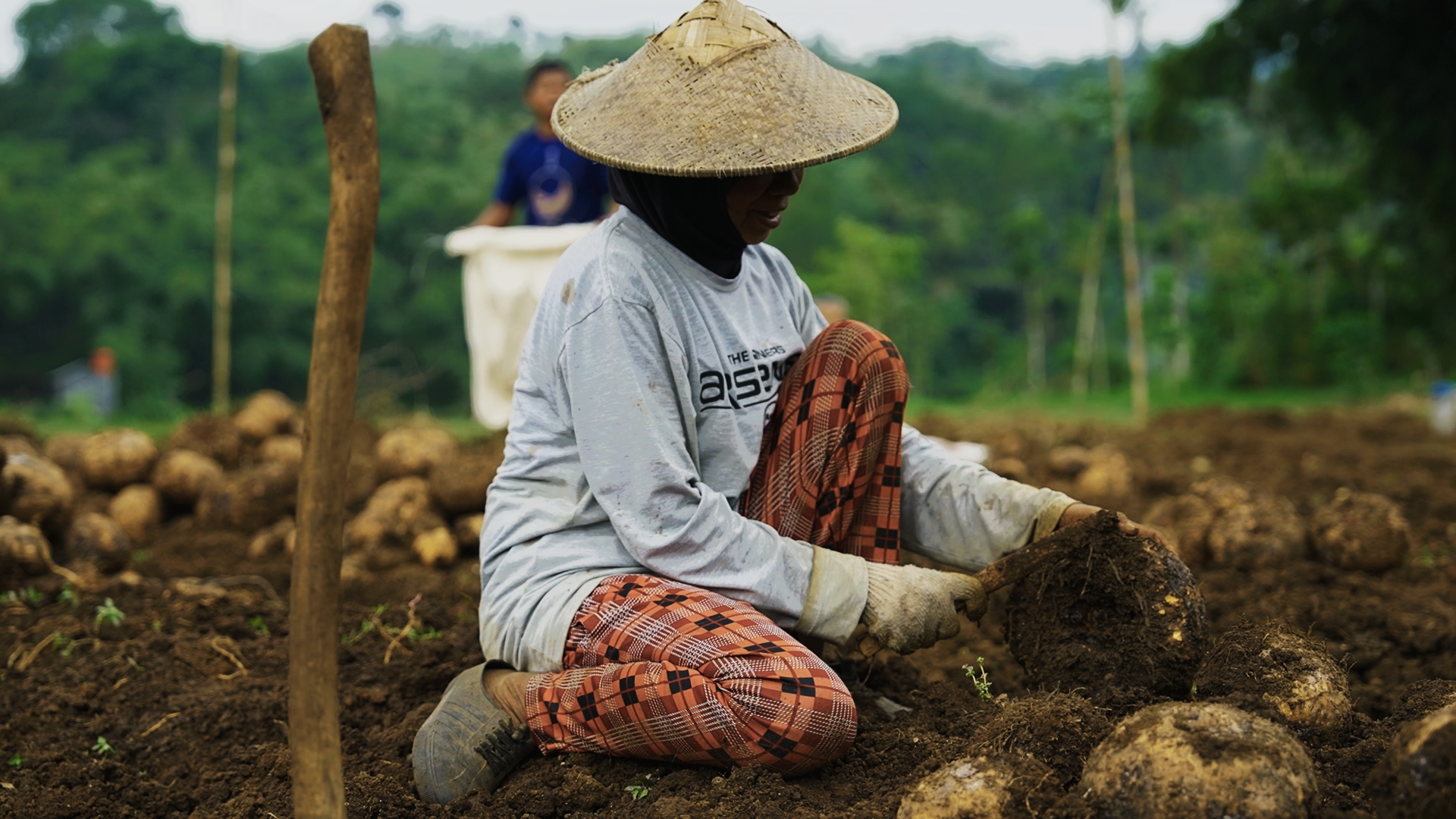
Indonesia's Porang is commonly associated with A. muelleri, a tropical resource with strong smallholder and primary-processing relevance. Its value depends on purification, oxalate control, quality consistency and traceable supply chains.
  • A. muelleri purification, oxalate control and KGM quality evaluation
  • Smallholder cooperatives, traceability and sustainable procurement
Target Markets · EU Channels · Halal Markets · Ingredient Supply
Southeast Asia Highland Konjac
Thailand · Myanmar · Emerging Origins
Emerging Southeast Asian Resources
A. bulbifer and mixed local resources
Thailand, Myanmar and neighbouring areas should be treated as emerging cultivation and sourcing regions. A. bulbifer and local mixed resources require more evidence on yield, KGM quality, disease risk and scalable cultivation before being positioned as a mature global category.
  • A. bulbifer germplasm, propagation material and KGM evaluation
  • Regional agronomy, disease control and sourcing traceability
Target Markets · Functional Food Ingredients · ESG Procurement
Global Market Landscape

Major Producing & Consuming Markets

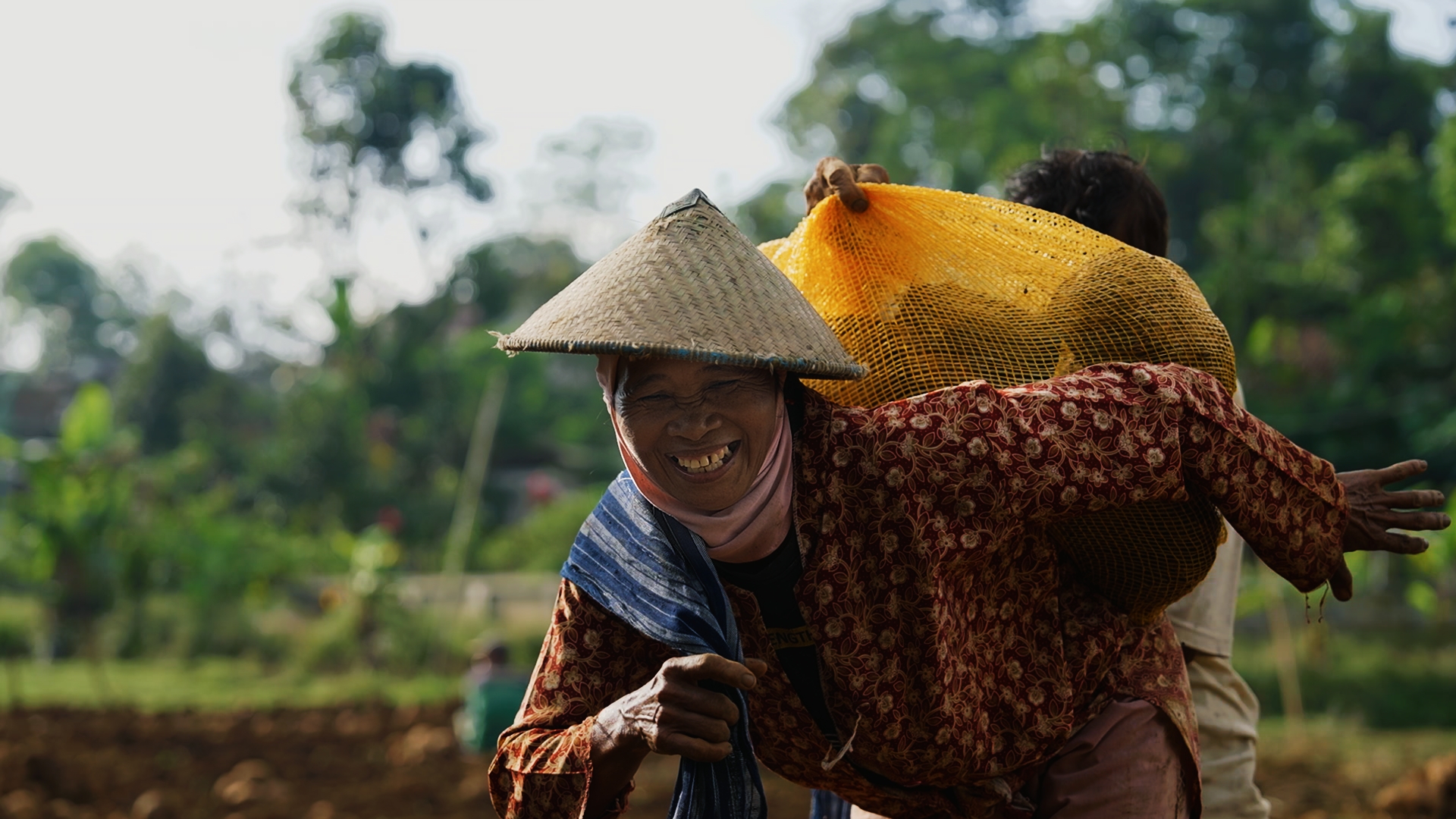
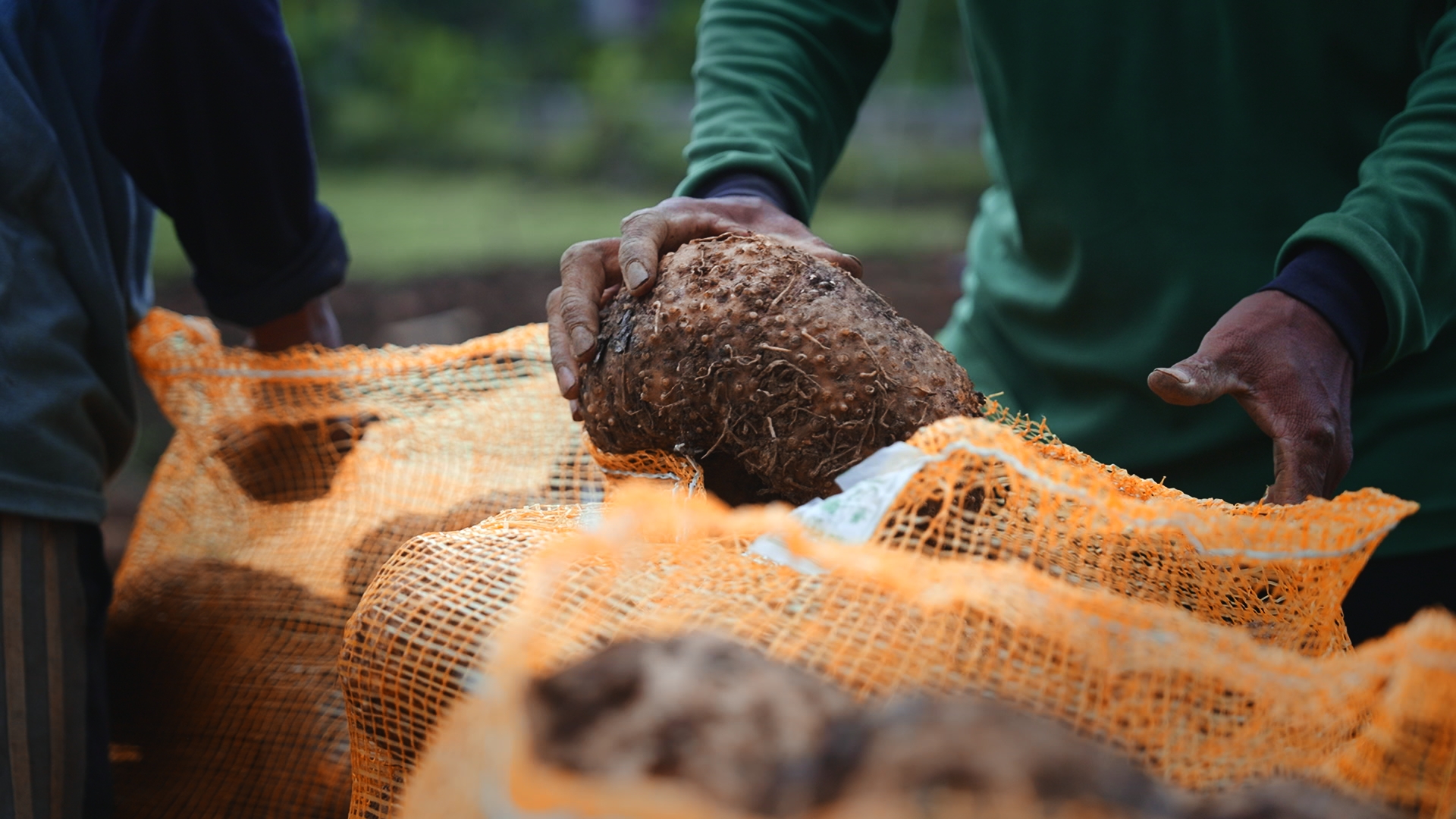
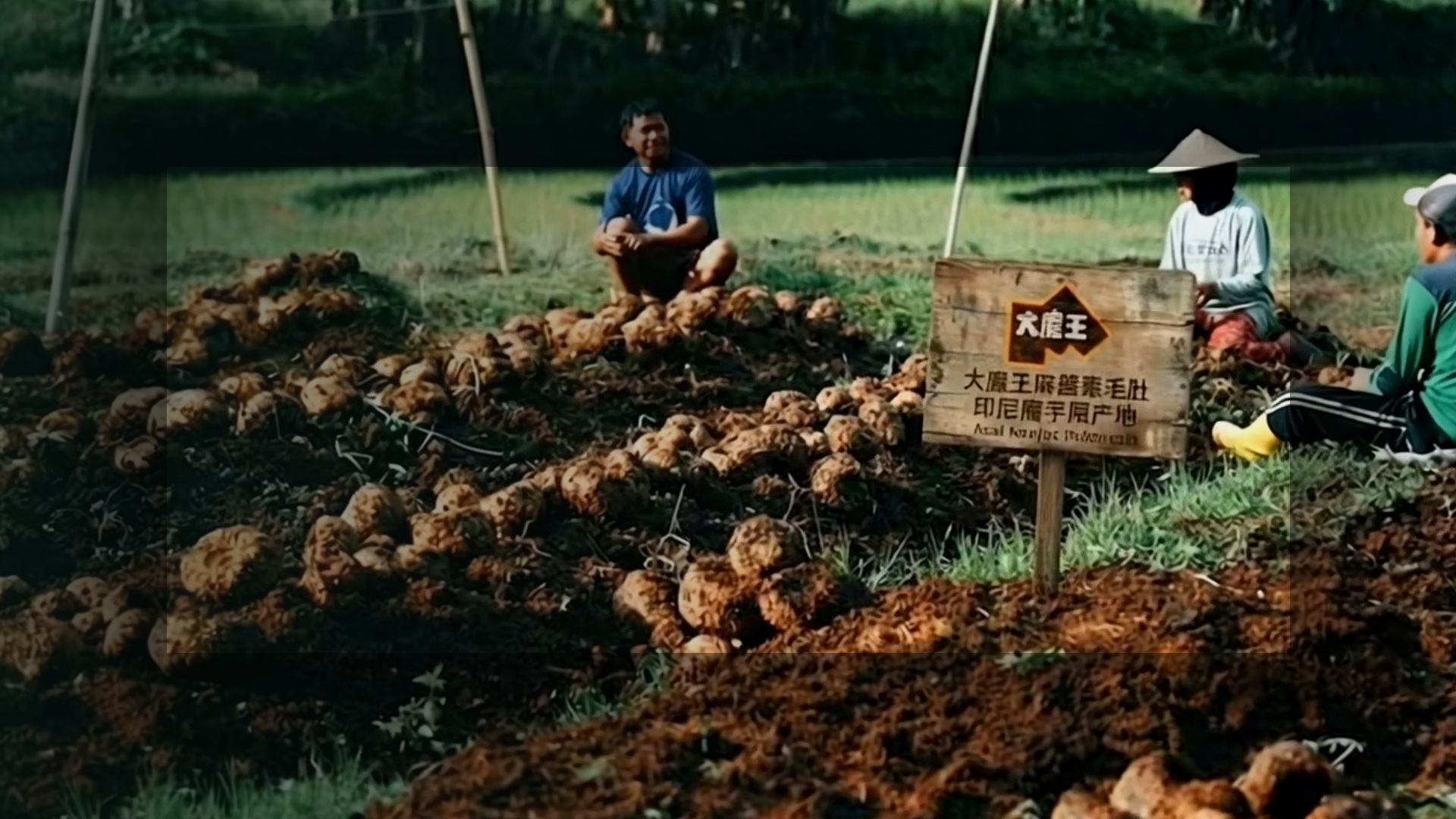
Konjac harvest

Connecting Production & Consumption

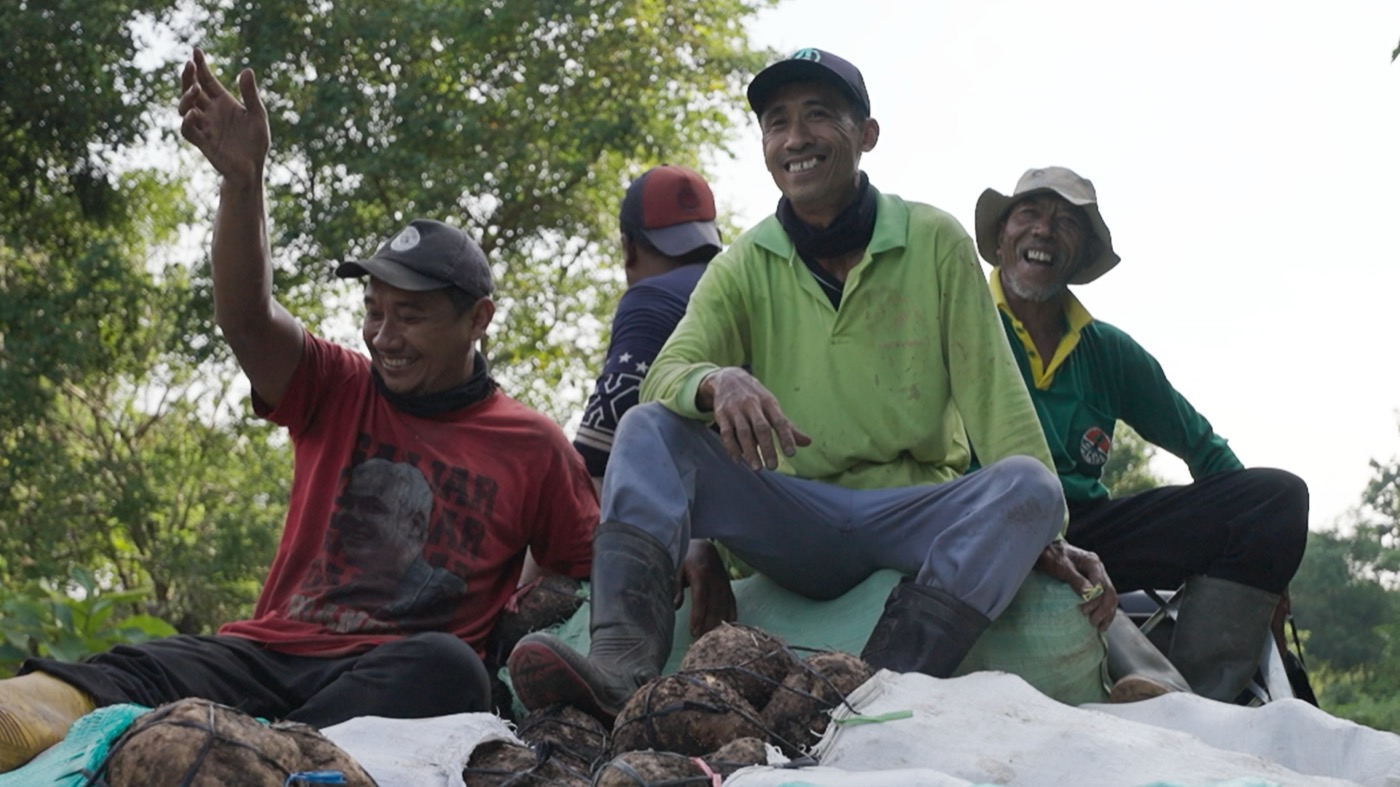
From smallholder farms to global shelves, every link in the supply chain holds opportunities for value creation and rules reform.

Producing Regions & Main Raw Materials

China Southwest HighlandsMain industrial resources include A. konjac and A. albus; quality work should focus on KGM grading, seed-corm health, soft-rot control and origin standards.
IndonesiaPorang / A. muelleri is a major tropical raw-material resource; processing quality depends on purification, oxalate reduction, viscosity and traceability.
Japan / GunmaA benchmark for konnyaku processing, product culture and origin-brand governance, rather than a separate species category.
Thailand, Myanmar and Emerging AreasPotential cultivation and sourcing areas involving A. bulbifer and local mixed resources; more agronomic and quality data are needed for large-scale positioning.

Major Consumption Markets

East Asia (China, Japan, Korea)World's largest konjac consumption region; high-frequency consumption, active product innovation; brand trust and processing convenience are core competitive factors.
European UnionMature EFSA health claim system; high labelling compliance threshold; evidence-driven market with significant KGM functional food growth.
North AmericaActive meal replacement, weight management and sports nutrition markets; KGM dietary fibre labelling must comply with the FDA 2018 revised regulatory framework.
Middle East & Southeast AsiaRising halal certification demand; can be aligned with the China–Indonesia–Southeast Asia–Middle East supply chain corridor.
Policy & Research

Key Policy & Research Index

Policy
China National Food & Nutrition Development Outline (2025–2030)
National policy entry point for the supply chain and standardisation of specialty dietary fibre foods, including konjac as a featured crop.· State Council, China
Health Claims
Scientific Opinion on Konjac Mannan (Glucomannan) Health Claims
EFSA's authoritative rulings on KGM health claims for weight management, glycaemic response, and cholesterol maintenance — the core reference for EU functional food labelling.· EFSA
Nutrition Labels
Questions and Answers on Dietary Fiber
FDA's 2018 revised framework on dietary fibre definitions, labelling conditions, and the regulatory position on glucomannan qualification.· US FDA
Int'l Standards
ISO/TC34 Food Products Technical Committee
Primary pathway for konjac international standard proposals, including testing methods, labelling specifications, and product classification work.· ISO
Food Law
Codex Alimentarius — FAO/WHO Food Standards Commission
International framework basis for food additive specifications (E425), labelling rules, and cross-border food trade dispute resolution.· FAO / WHO
Origin Case
Gunma Konnyaku: An International Reference for Origin Brand Building
Gunma Prefecture's official documentation of the konnyaku industry's history, JKA certification system, and high-value-added product export path.· Visit Gunma
Industry Watch

The Konjac Industry in Global Perspective

More Articles
Indonesian konjac supply chain
Antara · Indonesian National News Agency
Indonesia-Konjac Supply Chain Cooperation Expands with China-bound Export Agreement
Indonesian official media reports a China-bound export agreement and related plans to strengthen domestic glucomannan refining capacity.
Konjac consumer market trend
FoodNavigator USA · 2026
Konjac Moves Further Into Health-Food Channels and Younger Consumer Markets
The konjac category is being discussed in relation to low-calorie, high-fibre and plant-based food formats, from meal replacements to convenience foods.
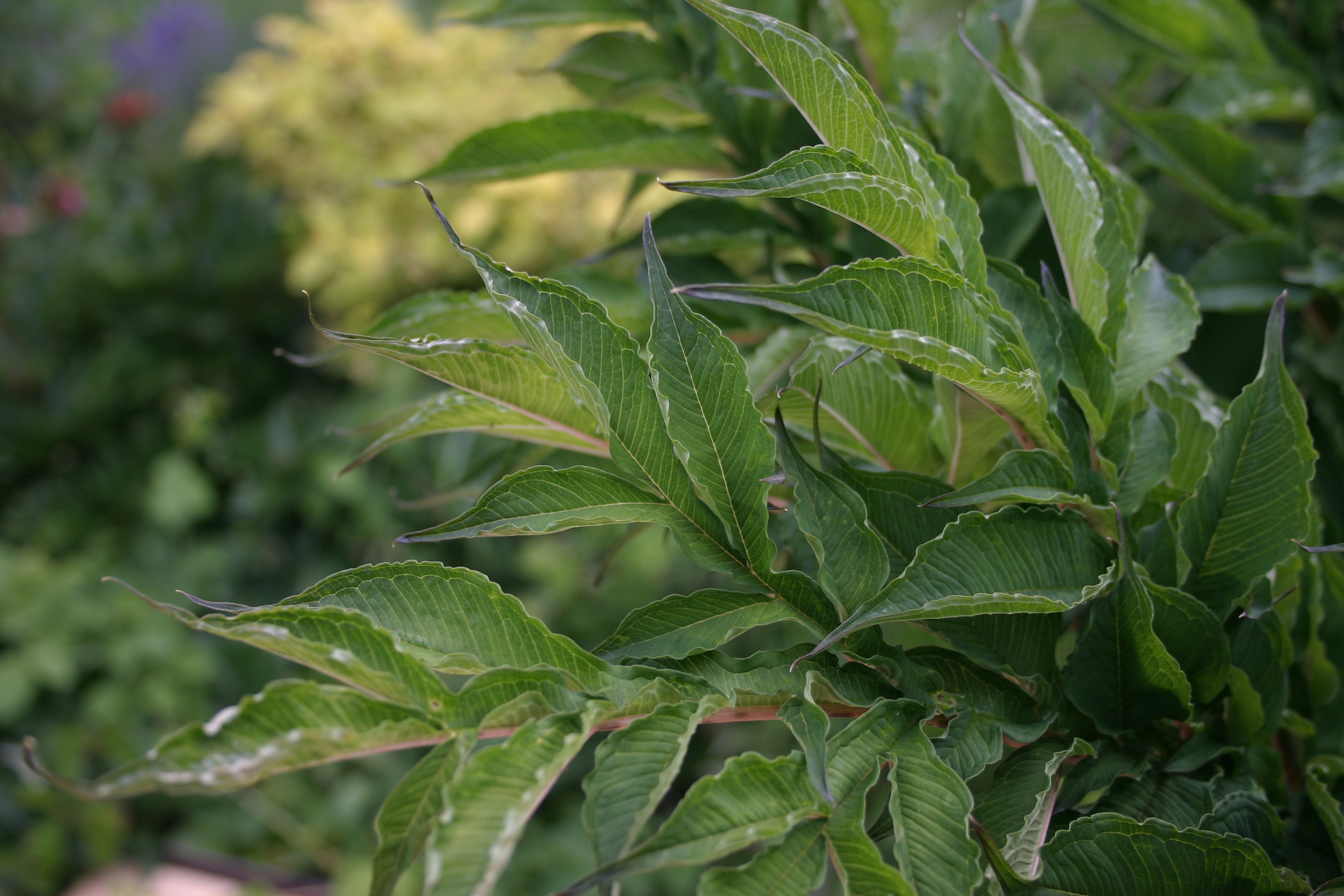
Konjac leaves
Frontiers in Plant Science · 2025
Amorphophallus konjac: Traditional Uses, Bioactive Potential and Emerging Applications
A 2025 review summarises traditional uses, bioactive components and emerging applications of Amorphophallus konjac, supporting a broader research agenda beyond single-ingredient claims.
Konjac applied research
PubMed · Carbohydrate Polymers · 2026
Thermo-Irreversible KGM Gels: Preparation, Mechanisms and Applications
A 2026 review in Carbohydrate Polymers summarises preparation mechanisms and application pathways for thermo-irreversible konjac glucomannan gels.
Field research
Discover Food · Springer Nature · 2025
KGM, Gut Microbiota and Metabolic Regulation: 2025 Review Evidence
A 2025 review discusses KGM mechanisms around gut microbiota and metabolic regulation, while noting that health communication should remain evidence-based and jurisdiction-specific.
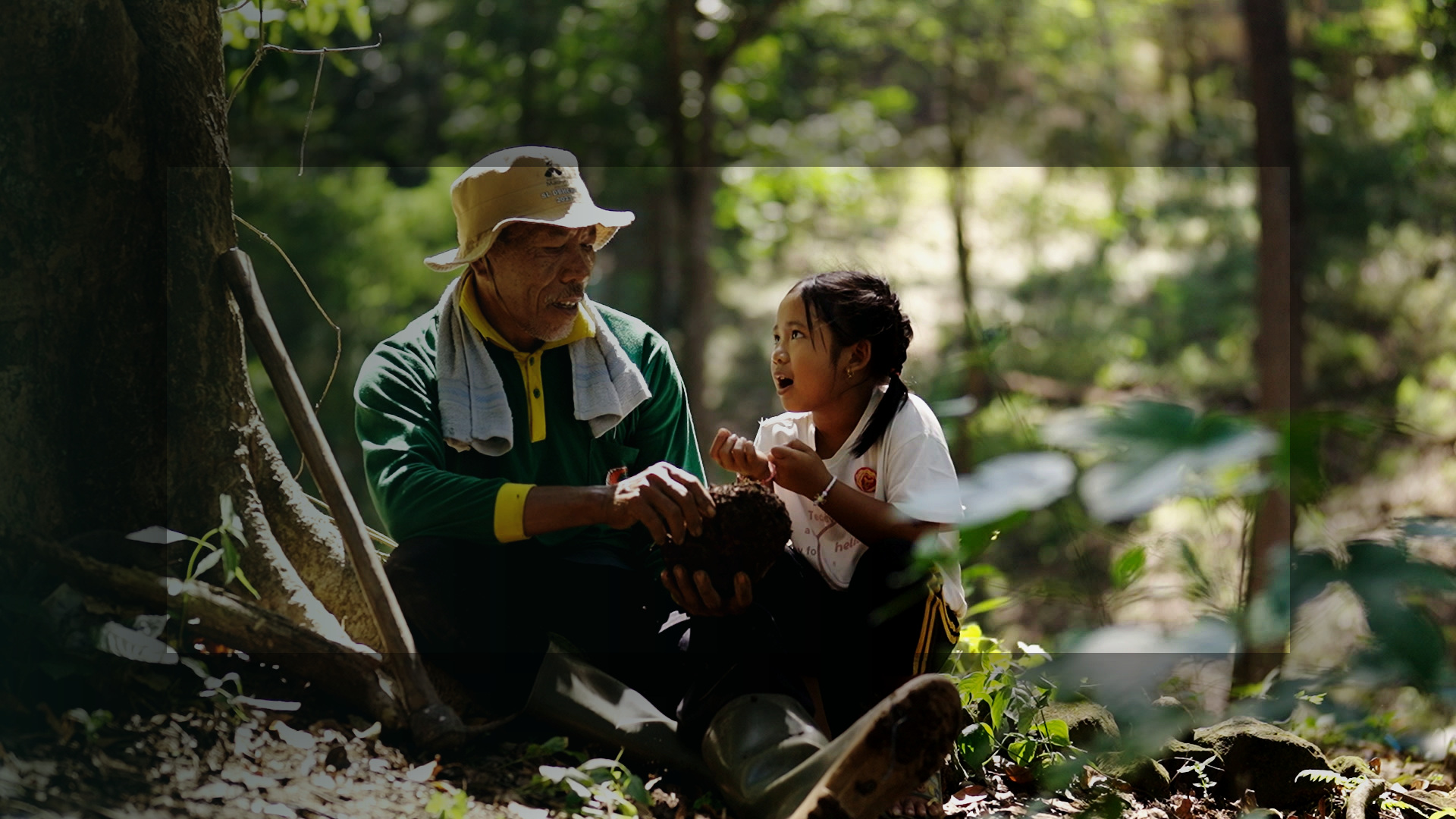
Konjac origin landscape and grower
ResearchAndMarkets · 2026
Food-Grade Konjac Market Report 2026: Demand for Clean-Label Fibre Ingredients
Recent market research projects continued growth for food-grade konjac applications through 2032, driven by clean-label, dietary fibre and plant-based food demand.
How to Participate

Join Global Topic Development

01

Expert Committee

Open to specialists in nutrition science, variety breeding, international standards, deep processing, trade policy, and public health.

02

National Node Partnership

For research institutions, industry associations, and government authorities in major producing and consuming countries.

03

Institutional Partners

Enterprises, associations, and research institutes participating through topic sponsorship, joint research, and standards co-development.

04

Media & Communications

Open press applications, press kits, image licensing, and full-forum reporting partnerships.

Guest Registration

Register through the GLAST official website

Guest registration is handled through the GLAST main website. International guest information will be consolidated through the GLAST event process and used, where required, for entry arrangements in accordance with applicable procedures.

01Visit the GLAST websiteReview the official meeting notice and registration arrangements.
02Complete guest registrationProvide participation details through the GLAST event system.
03Submit accurate informationInternational guests should provide passport and entry information as required.
04Await confirmationParticipation and entry arrangements follow official GLAST notices.
Register on the GLAST website →